
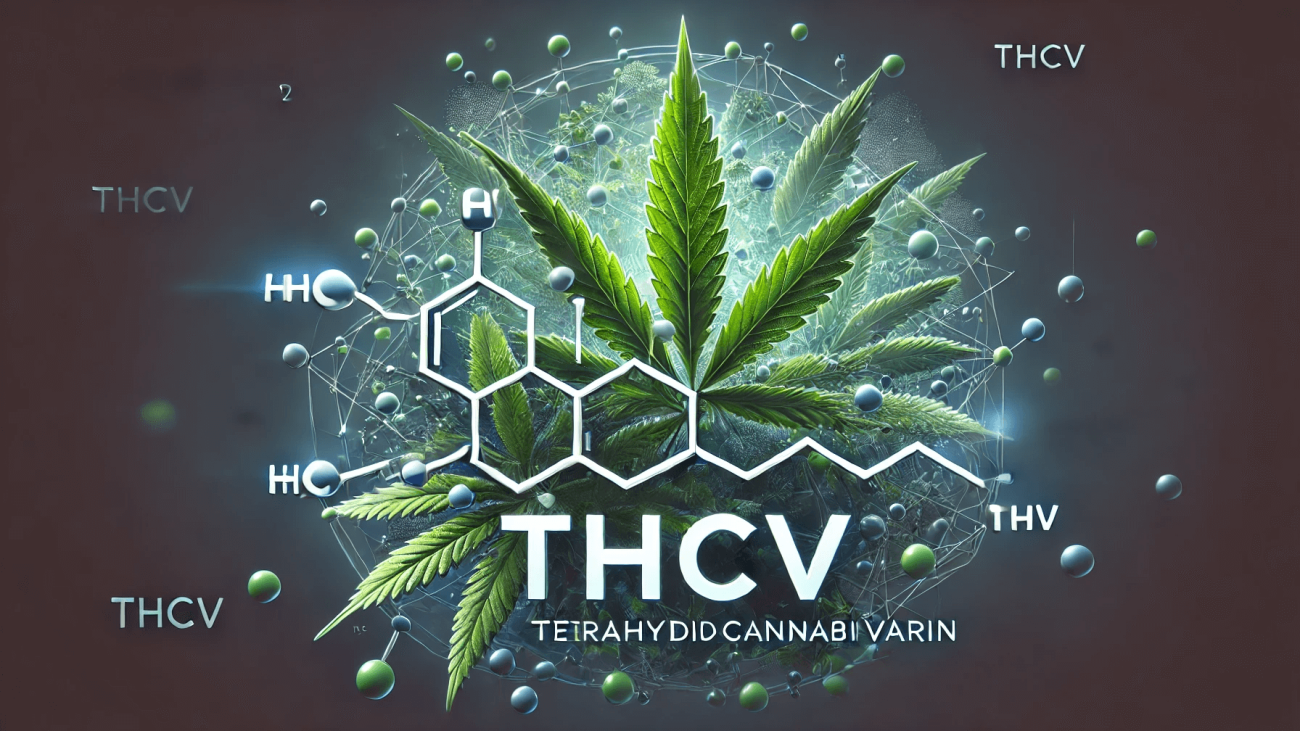
Tetrahydrocannabivarin (THCV) is an intriguing cannabinoid that has been gaining attention for its potential health benefits and unique effects. While it shares similarities with tetrahydrocannabinol (Delta 9 THC), its impact on the body and mind is quite different. THCV is commonly found in select cannabis strains and has been studied for its possible applications in weight management, metabolic health, and neuroprotection.
In this article, we’ll explore what THCV is, how it works, its potential benefits, and how it differs from other cannabinoids.
What is THCV?
THCV is a naturally occurring cannabinoid found in cannabis plants, particularly in African sativa strains. It has a slightly different molecular structure compared to Delta 9 THC, which contributes to its distinct effects. Unlike Delta 9 THC, which is known for its strong psychoactive properties, THCV has been found to act differently at various doses. At low doses, it can counteract Delta 9 THC’s intoxicating effects, while at higher doses, it may produce a mild, clear-headed euphoria.
THCV is synthesized in the cannabis plant through the same biosynthetic pathway as other cannabinoids but starts with divarinolic acid instead of olivetolic acid, leading to its shorter three-carbon side chain.
How Does THCV Work?
THCV interacts with the body’s endocannabinoid system (ECS), which regulates numerous physiological processes such as mood, appetite, pain sensation, and metabolism. THCV primarily affects the CB1 and CB2 receptors in the ECS:
- CB1 receptor: Found mostly in the brain and central nervous system, this receptor is responsible for THC’s psychoactive effects. THCV can act as an antagonist to CB1 at lower doses, meaning it may suppress appetite and reduce THC’s psychoactivity.
- CB2 receptor: Found in immune cells and peripheral organs, this receptor is involved in inflammation and pain modulation. THCV interacts with CB2, which could contribute to its potential anti-inflammatory benefits.
Potential Benefits of THCV
THCV has been the focus of research due to its promising effects on various health conditions. Here are some of the key areas where THCV may offer benefits:
1. Appetite Suppression and Weight Loss
Unlike Delta 9 THC and Delta 8 THC, which are well known for stimulating hunger (the “munchies”), THCV may have appetite-suppressing properties. Studies suggest that THCV acts as a CB1 antagonist, meaning it can help reduce food intake and support weight loss efforts. This makes THCV a potential tool for individuals managing obesity or seeking to control their eating habits.
2. Blood Sugar Regulation and Diabetes Management
Research has shown that THCV may improve insulin sensitivity and help regulate blood sugar levels. A study published in Diabetes Care found that THCV could be beneficial for people with type 2 diabetes by improving pancreatic function and reducing glucose intolerance. This makes it a promising cannabinoid for metabolic health.
3. Neuroprotective Effects
THCV has shown potential in protecting brain cells from damage, making it a candidate for treating neurodegenerative diseases such as Parkinson’s and Alzheimer’s. Animal studies suggest that THCV may help reduce tremors, improve motor control, and protect neurons from oxidative stress.
4. Anti-Inflammatory and Pain Relief
THCV has demonstrated anti-inflammatory properties that could make it useful for conditions like arthritis and multiple sclerosis. By interacting with CB2 receptors, THCV may help reduce inflammation and provide pain relief without the sedative effects commonly associated with THC.
5. Bone Health and Growth
Preliminary research indicates that THCV may stimulate bone growth, making it a potential treatment for osteoporosis or bone fractures. This effect is thought to be due to its interaction with cannabinoid receptors that influence bone formation.
6. Potential for Anxiety and PTSD Treatment
THCV has been studied for its effects on anxiety and stress-related disorders. Some reports suggest that it may help regulate emotional responses and reduce panic attacks, making it a potential treatment for PTSD and anxiety disorders. Unlike Delta 9 THC, which can sometimes increase anxiety in certain individuals, THCV may have more stabilizing effects on mood.
THCV vs. THC: What’s the Difference?
While THCV and THC share some similarities, their effects on the body and brain differ significantly:
| Feature | THCV | Delta 9 THC |
|---|---|---|
| Psychoactivity | Mild at high doses | Strong psychoactive effects |
| Appetite Effects | Suppresses appetite | Increases appetite |
| Energy & Focus | Increases alertness and energy | Can cause relaxation or drowsiness |
| Therapeutic Potential | May help with diabetes, obesity, and neuroprotection | Used for pain relief, nausea, and relaxation |
Best Strains High in THCV
If you’re interested in trying THCV, some cannabis strains naturally contain higher levels of this cannabinoid. These include:
- Durban Poison – A pure sativa known for its uplifting effects and relatively high THCV content.
- Doug’s Varin – Specifically bred for its high THCV levels and clear-headed effects.
- Jack the Ripper – A potent sativa-dominant strain with energizing effects.
How to Consume THCV
THCV can be consumed in various forms, including:
- Smoking/Vaping: Some cannabis strains naturally contain THCV, and vaporizing at a higher temperature (above 428°F/220°C) can optimize THCV extraction.
- Edibles and Tinctures: Some cannabis companies produce THCV-rich products like tinctures and edibles, though they are less common than THC and CBD products.
- Concentrates: Some cannabis extracts and oils contain higher levels of THCV, providing a more potent dose.
Is THCV Legal?
The legal status of THCV varies by location. In the United States, THCV derived from hemp (containing less than 0.3% THC) is legal under the 2018 Farm Bill. However, cannabis-derived THCV falls under federal cannabis prohibition, making its legality dependent on state laws. Always check local regulations before purchasing or consuming THCV products.
Final Thoughts
THCV is an exciting cannabinoid with a range of potential health benefits, from appetite suppression and blood sugar regulation to neuroprotection and anti-inflammatory effects. While research is still in its early stages, THCV shows great promise for medical and wellness applications. If you’re interested in trying THCV, look for strains known to contain higher amounts or explore emerging THCV-specific products in the market.
THCV FAQ’s
Does THCV get you high?
At low doses, THCV does not produce intoxicating effects. However, at higher doses, it may create a mild, clear-headed euphoria.
How can I find cannabis strains high in THCV?
Strains like Durban Poison, Doug’s Varin, and Jack the Ripper are known to contain higher levels of THCV.
Is THCV safe to use?
THCV appears to have a good safety profile, but more research is needed to fully understand its long-term effects.
Can THCV help with weight loss?
Studies suggest that THCV may suppress appetite and aid in weight management by acting as a CB1 receptor antagonist.