
What Exactly Is THCP?

What Exactly Is THCP?


Tetrahydrocannabiphorol, better known simply as THCP, is a lesser-known but increasingly talked-about cannabinoid that occurs naturally in cannabis. First discovered in 2019 by an Italian research team, THCP shares a similar chemical structure with delta-9-THC—the main psychoactive compound in cannabis—but with a key difference: THCP has an extra-long seven-carbon alkyl side chain, rather than THC’s five-carbon chain .

That slight molecular difference makes THCP a fascinating cannabinoid. Early studies indicate that THCP binds to the brain’s CB1 receptors approximately 30–33 times more strongly than delta-9-THC (Recovered). In practical terms, this suggests THCP is significantly more potent—and potentially longer-lasting—than regular THC.


How and Where Did THCP Come From?

Although it was only isolated and identified in 2019, THCP has likely been part of cannabis’ chemical makeup for centuries—entirely under the radar due to its extremely low natural concentrations. The breakthrough came when researchers used advanced analytical tools to detect THCP in a medicinal cannabis variety known as FM2.

But because natural levels are so marginal, scientists and manufacturers usually derive THCP synthetically, starting with hemp-extracted CBD. Through specific chemical processes, CBD is converted into THCP, allowing for the production of measurable quantities for research and commercial consumption.


Is THCP Synthetic—or Natural?

It’s a hybrid of both. THCP naturally originates in cannabis plants, but only in minuscule amounts that make extraction impractical. It would be extremely expensive and logistically difficult to isolate THCP directly from plant flower. As a result, virtually all THCP available in the market is semi-synthetically produced, using CBD as the starting point.

Some niche cannabis strains may also be chemically treated by spraying extracts onto flower to simulate “high THCP” content. Still, the cannabinoid itself is considered naturally occurring—just rare.


How Is THCP Consumed?

THCP is finding its way into products in a variety of formats:

  • Vape cartridges and disposable pens: Vaporizing allows the compound to quickly enter the bloodstream, delivering rapid effects.
  • Edibles and gummies: When eaten, THCP passes through the digestive system which delays onset but extends the duration of effects—often several hours.
  • Tinctures and concentrates: Some companies offer oils or soft gels.
  • THCP-enhanced flower: Cannabis strains are sometimes sprayed or coated with THCP distillate to create “boosted” buds.

Because THCP is far more potent than delta-9-THC, starting with very low doses—even among experienced cannabis users—is critical.


What Kind of Effects Does THCP Produce?

Potency & Duration

The defining feature of THCP is its intensity. Early anecdotal reports and lab studies support the idea that THCP can deliver:

  • More powerful euphoria
  • Stronger body relaxation or sedation
  • Amplified sensory perception
  • Potentially longer-lasting effects

These come at much lower doses than delta-9-THC, thanks to THCP’s aggressive receptor binding.

Therapeutic Potential

Since THCP interacts with the same receptors as traditional THC, it might have similar benefits—pain relief, appetite uplift, and anti-nausea effects—with smaller doses. However, there is no clinical proof yet that THCP is a better therapeutic choice than THC .

Side Effects and Risks

Despite potential benefits, there are risks associated with THCP:

  • Increased anxiety or paranoia
  • Elevated heart rate
  • Dry mouth
  • Cognitive impairment at higher doses

Because THCP is more potent, these unwanted effects might be more intense—so caution is advised, especially for new or light users.


Is THCP Legal?

Federal U.S. Status

Under the 2018 Farm Bill, hemp and its derivatives are legal provided they contain less than 0.3% delta-9-THC. As THCP is usually synthesized from hemp-derived CBD, many see it as technically legal—though this remains controversial.

The U.S. DEA, however, considers synthetically derived THC compounds (including THCP) to be Schedule I substances. If THCP is classified as synthetic—regardless of hemp origin—it could face legal prohibition. It also falls under the Federal Analogue Act (if it’s deemed substantially similar to THC).

State-by-State Regulations

Legality varies widely at the state level:

  • Some states ban all THC analogs.
  • Others allow any hemp-derived cannabinoids.
  • A few classify THCP along with Delta-8, Delta-10, THCO, etc.

With uncertainty across jurisdictions, consumers are encouraged to check state laws and verify product origin and contents.


Comparing THCP With Other Cannabinoids

CannabinoidPsychoactive PotencyTypical EffectsLegal Status
Delta 9 THCStandard baselineEuphoria, relaxation, altered perceptionLegal in some states; federally Schedule I
Delta 8 / Delta 10Mild to moderateSoft high, calmer than Delta-9Derived from hemp; legal in many states
HHCModerateClear-headed, less anxietyLegal gray area; more stable
THC-OHighPotent, psychedelicSynthetic; increasingly regulated
THCPVery high (×30)Intense and long-lasting effectsLegal ambiguity persists

Though newer molecules like HHC, Delta-8, Delta-10, and THC-O vary in potency and psychoactive experiences, THCP stands out as significantly stronger, requiring far smaller amounts to achieve a high.


Safety Precautions for THCP

If you’re curious about trying THCP, follow these safety tips:

  1. Start small – Even experienced THC users should begin with a microdose (e.g., 1–2 mg or less).
  2. Go slow – Wait at least 2 hours for edible effects; begin with a small inhale for smoked/vaped versions.
  3. Test product purity – Choose brands that provide third-party lab results to confirm THCP content and screen for contaminants.
  4. Know your local laws – Make sure THCP is legal where you live or travel.
  5. Avoid driving or operating machinery during use—effects can be unexpectedly strong.
  6. Be aware of side effects—If you feel anxiety, paranoia, or overstimulation, hydrate, rest, and seek help if needed.

In Summary

THCP is a new and powerful cannabinoid with binding affinity up to 33 times greater than delta-9-THC. It promises potent psychoactive effects, possible therapeutic uses at lower doses, and novel options for experienced cannabis users.

However, the landscape is still evolving—research is in its infancy, legal frameworks remain uncertain, and safety data is limited. If considering THCP, start small, ensure you’re properly informed, and remain cautious.


Frequently Asked Questions

1. Does THCP produce a psychoactive “high”?
Yes—THCP binds very strongly to CB1 receptors in the brain and produces intense psychoactive effects, often more potent than traditional THC.

2. Is THCP legal under U.S. federal law?
Its status is unclear: although hemp-derived, THCP is often synthesized and may be considered a Schedule I substance by the DEA.

3. How does THCP compare to Delta‑9‑THC in strength?
Studies suggest THCP could be around 30 to 33 times more potent than Delta‑9‑THC due to stronger CB1 receptor binding.

4. What’s a safe way to use THCP for the first time?
Start with very low doses (microdosing), especially in edible or vape form, and wait at least two hours before considering more.
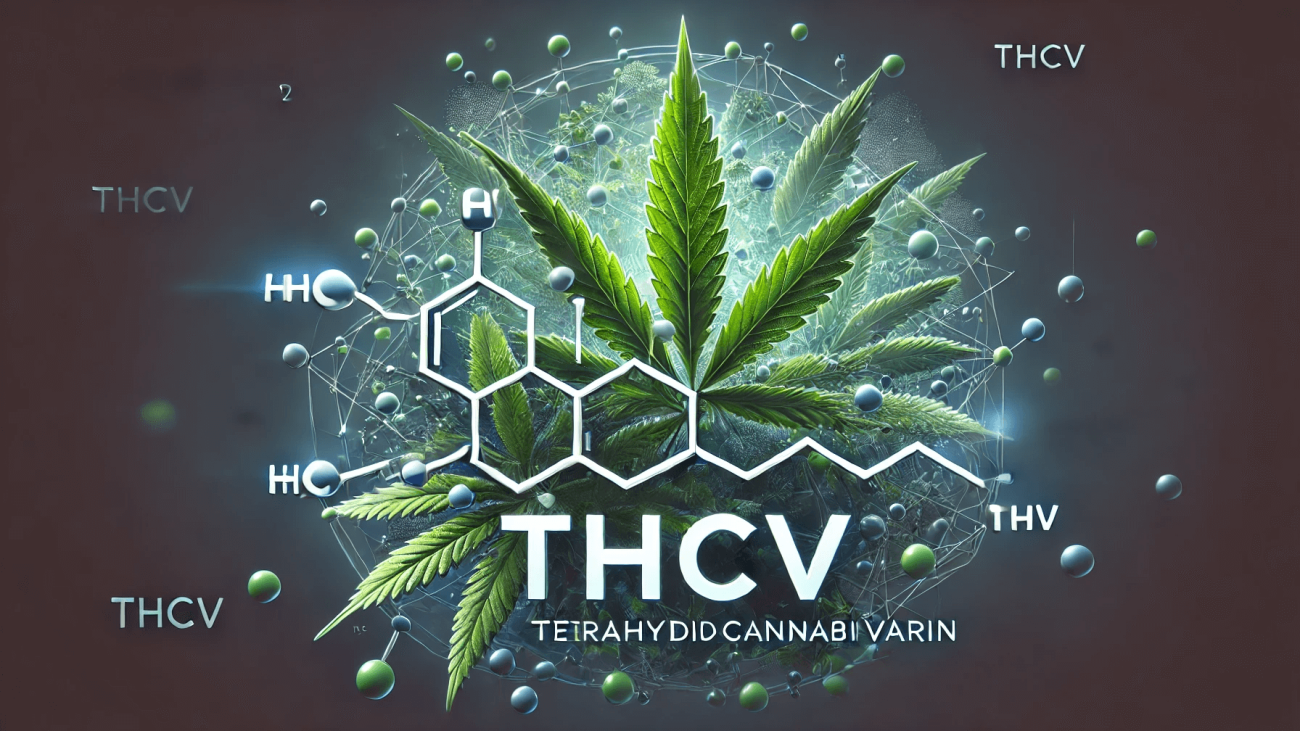
Understanding THCV: Benefits, Effects, and Uses of This Unique Cannabinoid

Understanding THCV: Benefits, Effects, and Uses of This Unique Cannabinoid

Tetrahydrocannabivarin (THCV) is an intriguing cannabinoid that has been gaining attention for its potential health benefits and unique effects. While it shares similarities with tetrahydrocannabinol (Delta 9 THC), its impact on the body and mind is quite different. THCV is commonly found in select cannabis strains and has been studied for its possible applications in weight management, metabolic health, and neuroprotection.

In this article, we’ll explore what THCV is, how it works, its potential benefits, and how it differs from other cannabinoids.

What is THCV?

THCV is a naturally occurring cannabinoid found in cannabis plants, particularly in African sativa strains. It has a slightly different molecular structure compared to Delta 9 THC, which contributes to its distinct effects. Unlike Delta 9 THC, which is known for its strong psychoactive properties, THCV has been found to act differently at various doses. At low doses, it can counteract Delta 9 THC’s intoxicating effects, while at higher doses, it may produce a mild, clear-headed euphoria.

THCV is synthesized in the cannabis plant through the same biosynthetic pathway as other cannabinoids but starts with divarinolic acid instead of olivetolic acid, leading to its shorter three-carbon side chain.

How Does THCV Work?

THCV interacts with the body’s endocannabinoid system (ECS), which regulates numerous physiological processes such as mood, appetite, pain sensation, and metabolism. THCV primarily affects the CB1 and CB2 receptors in the ECS:

  • CB1 receptor: Found mostly in the brain and central nervous system, this receptor is responsible for THC’s psychoactive effects. THCV can act as an antagonist to CB1 at lower doses, meaning it may suppress appetite and reduce THC’s psychoactivity.
  • CB2 receptor: Found in immune cells and peripheral organs, this receptor is involved in inflammation and pain modulation. THCV interacts with CB2, which could contribute to its potential anti-inflammatory benefits.

Potential Benefits of THCV

THCV has been the focus of research due to its promising effects on various health conditions. Here are some of the key areas where THCV may offer benefits:

1. Appetite Suppression and Weight Loss

Unlike Delta 9 THC and Delta 8 THC, which are well known for stimulating hunger (the “munchies”), THCV may have appetite-suppressing properties. Studies suggest that THCV acts as a CB1 antagonist, meaning it can help reduce food intake and support weight loss efforts. This makes THCV a potential tool for individuals managing obesity or seeking to control their eating habits.

2. Blood Sugar Regulation and Diabetes Management

Research has shown that THCV may improve insulin sensitivity and help regulate blood sugar levels. A study published in Diabetes Care found that THCV could be beneficial for people with type 2 diabetes by improving pancreatic function and reducing glucose intolerance. This makes it a promising cannabinoid for metabolic health.

3. Neuroprotective Effects

THCV has shown potential in protecting brain cells from damage, making it a candidate for treating neurodegenerative diseases such as Parkinson’s and Alzheimer’s. Animal studies suggest that THCV may help reduce tremors, improve motor control, and protect neurons from oxidative stress.

4. Anti-Inflammatory and Pain Relief

THCV has demonstrated anti-inflammatory properties that could make it useful for conditions like arthritis and multiple sclerosis. By interacting with CB2 receptors, THCV may help reduce inflammation and provide pain relief without the sedative effects commonly associated with THC.

5. Bone Health and Growth

Preliminary research indicates that THCV may stimulate bone growth, making it a potential treatment for osteoporosis or bone fractures. This effect is thought to be due to its interaction with cannabinoid receptors that influence bone formation.

6. Potential for Anxiety and PTSD Treatment

THCV has been studied for its effects on anxiety and stress-related disorders. Some reports suggest that it may help regulate emotional responses and reduce panic attacks, making it a potential treatment for PTSD and anxiety disorders. Unlike Delta 9 THC, which can sometimes increase anxiety in certain individuals, THCV may have more stabilizing effects on mood.

THCV vs. THC: What’s the Difference?

While THCV and THC share some similarities, their effects on the body and brain differ significantly:

FeatureTHCVDelta 9 THC
PsychoactivityMild at high dosesStrong psychoactive effects
Appetite EffectsSuppresses appetiteIncreases appetite
Energy & FocusIncreases alertness and energyCan cause relaxation or drowsiness
Therapeutic PotentialMay help with diabetes, obesity, and neuroprotectionUsed for pain relief, nausea, and relaxation

Best Strains High in THCV

If you’re interested in trying THCV, some cannabis strains naturally contain higher levels of this cannabinoid. These include:

  • Durban Poison – A pure sativa known for its uplifting effects and relatively high THCV content.
  • Doug’s Varin – Specifically bred for its high THCV levels and clear-headed effects.
  • Jack the Ripper – A potent sativa-dominant strain with energizing effects.

How to Consume THCV

THCV can be consumed in various forms, including:

  • Smoking/Vaping: Some cannabis strains naturally contain THCV, and vaporizing at a higher temperature (above 428°F/220°C) can optimize THCV extraction.
  • Edibles and Tinctures: Some cannabis companies produce THCV-rich products like tinctures and edibles, though they are less common than THC and CBD products.
  • Concentrates: Some cannabis extracts and oils contain higher levels of THCV, providing a more potent dose.

Is THCV Legal?

The legal status of THCV varies by location. In the United States, THCV derived from hemp (containing less than 0.3% THC) is legal under the 2018 Farm Bill. However, cannabis-derived THCV falls under federal cannabis prohibition, making its legality dependent on state laws. Always check local regulations before purchasing or consuming THCV products.

Final Thoughts

THCV is an exciting cannabinoid with a range of potential health benefits, from appetite suppression and blood sugar regulation to neuroprotection and anti-inflammatory effects. While research is still in its early stages, THCV shows great promise for medical and wellness applications. If you’re interested in trying THCV, look for strains known to contain higher amounts or explore emerging THCV-specific products in the market.


THCV FAQ’s

Does THCV get you high?

At low doses, THCV does not produce intoxicating effects. However, at higher doses, it may create a mild, clear-headed euphoria.

How can I find cannabis strains high in THCV?

Strains like Durban Poison, Doug’s Varin, and Jack the Ripper are known to contain higher levels of THCV.

Is THCV safe to use?

THCV appears to have a good safety profile, but more research is needed to fully understand its long-term effects.

Can THCV help with weight loss?

Studies suggest that THCV may suppress appetite and aid in weight management by acting as a CB1 receptor antagonist.


THC vs THCA

THC vs THCA: What’s the Difference?

Tetrahydrocannabinol (THC) and tetrahydrocannabinolic acid (THCA) are two prominent compounds found in cannabis plants. While their names are similar, their properties and effects differ significantly. Understanding these differences is crucial for both recreational users and those seeking therapeutic benefits from cannabis. THC vs THCA: What’s the Difference?

Chemical Structure and Relationship

THCA is the acidic precursor to THC. In raw and live cannabis, THCA is abundant and non-intoxicating. Over time, or when exposed to heat through processes like smoking or cooking, THCA undergoes decarboxylation—a chemical reaction that removes a carboxyl group—transforming it into THC, the compound responsible for cannabis’s psychoactive effects.

Psychoactive Properties

One of the primary distinctions between THC and THCA is their psychoactivity. THC binds to CB1 receptors in the brain, leading to the “high” associated with cannabis consumption. In contrast, due to its different chemical structure, THCA does not fit into these receptors and, therefore, does not produce psychoactive effects.

Potential Therapeutic Benefits

While THC is known for its psychoactive properties, it also offers therapeutic benefits such as pain relief, appetite stimulation, and anti-nausea effects. THCA, though non-psychoactive, has shown promise in preliminary studies for its anti-inflammatory, neuroprotective, and anti-emetic properties. However, more research is needed to fully understand and validate these potential benefits.

Consumption Methods and Decarboxylation

The method of cannabis consumption plays a pivotal role in determining whether one ingests THC or THCA. Smoking or vaporizing cannabis applies direct heat, causing immediate decarboxylation of THCA to THC, resulting in psychoactive effects. Conversely, consuming raw cannabis, such as in smoothies or salads, does not provide significant THC, as decarboxylation has not occurred, thus avoiding psychoactivity.

Legal Considerations

Legal regulations often focus on THC content due to its psychoactive nature. In many regions, cannabis products must contain less than 0.3% THC to be classified as hemp and be legally permissible. Since THCA is non-psychoactive, its presence in raw cannabis does not typically influence legal status. However, it’s essential to note that THCA can convert to THC over time or when heated, which may affect the legality of certain products.

Conclusion

Understanding the differences between THC and THCA is essential for making informed decisions about cannabis use. While THC offers psychoactive experiences and certain therapeutic benefits, THCA provides potential health advantages without intoxication. The choice between the two depends on individual preferences, desired effects, and legal considerations.

Frequently Asked Questions (FAQs)

How can THCA be converted to THC?

THCA converts to Delta 9 THC through decarboxylation, which occurs when cannabis is heated, such as during smoking or cooking.

Does THCA have therapeutic benefits?

Preliminary research suggests that THCA may have anti-inflammatory and neuroprotective properties, but more studies are needed to confirm these benefits.

Is THCA legal?

THCA itself is non-psychoactive and often not regulated. However, since it can convert to Delta 9 THC, legal considerations may vary by jurisdiction. THCA is federally legal in the United States according to the 2018 Farm Bill classification of Industrial Hemp.

Delta 8 THC vs. Delta 10 THC: A Comparison

Delta 8 THC vs. Delta 10 THC: A Comparison

As the cannabis industry evolves, new cannabinoids continue to emerge, each offering unique effects and benefits. Among these, Delta 8 THC and Delta 10 THC have garnered significant attention. This article Delta 8 THC vs. Delta 10 THC: A Comparison delves into their differences, effects, legality, and safety profiles to provide a thorough understanding.

Understanding Delta-8 THC and Delta-10 THC

Delta 8 THC and Delta 10 THC are both cannabinoids found in trace amounts in cannabis plants. They are isomers of Delta 9 THC, meaning they share the same chemical formula but differ in molecular structure, leading to distinct effects.

Chemical Structure and Occurrence

Delta 8 THC and Delta 10 THC naturally occur in minimal quantities in cannabis. Due to their scarcity, they are typically synthesized from CBD or Delta 9 THC through chemical processes. This synthetic production raises concerns about the use of potentially harmful chemicals during conversion.

Effects and Potency

The effects of Delta 8 THC and Delta 10 THC vary due to their interaction with the body’s endocannabinoid system.

Delta-8 THC

Users report that Delta 8 THC induces relaxation, euphoria, and mild psychoactive effects. It is considered less potent than Delta 9 THC, offering a somewhat more subdued experience.

Delta-10 THC

Delta 10 THC is described as providing a milder high compared to Delta 8 THC. Anecdotal reports suggest that Delta 10 THC makes users feel more alert and active, with energizing effects.

Legality

The legal status of Delta 8 THC and Delta 10 THC is a bit complex and varies by jurisdiction.

  • Federal Level: Both cannabinoids exist in a legal gray area. The 2018 Farm Bill legalized hemp-derived products containing less than 0.3% Delta 9 THC but did not explicitly address Delta 8 THC or Delta 10 THC.
  • State Level: Some states have enacted laws restricting or banning Delta 8 THC and Delta 10 THC, often due to concerns about their synthetic production and potential health risks. It’s essential to consult local regulations before purchasing or using these cannabinoids.

Safety Considerations

Safety data on Delta 8 THC and Delta 10 THC is limited. Concerns have been raised about the synthetic processes used to produce these cannabinoids, which may involve harmful chemicals. Additionally, the lack of regulation and quality control in the market means that products may contain contaminants or inaccurate potency labeling.

Delta 8 THC and Delta 10 THC comparative FAQ

What is the main difference between Delta 8 THC and Delta 10 THC?

Delta 8 THC is known for its calming and relaxing effects, while Delta 10 THC tends to be more energizing and uplifting. Both are less potent than Delta 9 THC but offer unique experiences.

Are Delta 8 THC and Delta 10 THC legal?

Their legality depends on federal and state laws. While the 2018 Farm Bill legalized hemp-derived cannabinoids, some states have banned or restricted Delta 8 THC and Delta 10 THC.

Are Delta 8 THC and Delta 10 THC safe to consume?

Due to limited research, safety concerns exist, particularly regarding synthetic production methods and potential contaminants. Consumers should buy from reputable sources with third-party lab testing.

Which is better: Delta-8 THC or Delta-10 THC?

It depends on personal preference and desired effects. Delta 8 THC is better for relaxation and stress relief, while Delta 10 THC is more suited for focus and energy.

Conclusion

Delta 8 THC and Delta 10 THC offer alternative experiences to traditional Delta 9 THC, with unique effects and potential benefits. However, due to limited research, legal ambiguities, and safety concerns, consumers should exercise caution. It’s advisable to consult with healthcare professionals and stay informed about local laws before using these cannabinoids.


The Basics of CBD Oil: A Comprehensive Guide

The Basics of CBD Oil: A Comprehensive Guide

The Basics of CBD Oil: A Comprehensive Guide

CBD oil has taken the health and wellness industry by storm, offering natural solutions for various ailments. Whether you’re new to CBD or looking to deepen your understanding, this guide covers everything from its benefits to how to use it effectively. Let’s explore the fundamentals of CBD oil and how it can help transform your well-being.


What Is CBD Oil?

CBD, short for cannabidiol, is a compound extracted from the cannabis plant. Unlike its cousin Delta 9 THC (tetrahydrocannabinol), CBD is non-psychoactive, meaning it doesn’t produce the “high” associated with marijuana use. CBD oil is typically derived from hemp plants, which contain high levels of CBD and minimal THC content (less than 0.3%).

CBD oil is lauded for its potential therapeutic benefits, ranging from pain relief to stress reduction. It comes in various forms, including tinctures, capsules, and edibles, making it accessible to a wide range of users.


How Is CBD Oil Made?

The process of making CBD oil involves extracting CBD from the cannabis or hemp plant and then diluting it with a carrier oil such as coconut or hemp seed oil.

Extraction Methods

  1. CO2 Extraction: A clean and efficient method that uses carbon dioxide to pull cannabinoids and terpenes from the plant.
  2. Ethanol Extraction: Involves soaking the plant in alcohol to extract CBD.
  3. Oil Infusion: A traditional method that uses oils like olive oil to extract CBD.

Types of CBD Oil

  • Full-Spectrum: Contains all cannabinoids, including trace amounts of Delta 9 THC.
  • Broad-Spectrum: Includes multiple cannabinoids but no Delta 9 THC.
  • Isolate: Pure CBD with no other cannabinoids or compounds.

Each type has unique benefits, catering to diverse needs and preferences.


How Does CBD Work in the Body?

CBD interacts with the body’s endocannabinoid system (ECS), a complex network responsible for regulating essential functions like mood, sleep, pain, and immune response.

The Endocannabinoid System Explained

The ECS consists of receptors (CB1 and CB2) located throughout the body:

  • CB1 receptors: Found in the brain, influencing mood, appetite, and memory.
  • CB2 receptors: Found in the immune system, affecting inflammation and pain.

CBD doesn’t directly bind to these receptors but modulates their activity, promoting balance (homeostasis) in the body.


Benefits of CBD Oil

The popularity of CBD oil stems from its wide-ranging benefits. Here’s a closer look at its most notable uses:

Pain Relief

CBD oil is widely used to manage chronic pain by reducing inflammation and influencing neurotransmitter activity.

Anxiety and Stress Management

Studies suggest that CBD can help alleviate anxiety and promote relaxation without the sedative effects of traditional medications.

Sleep Improvement

CBD oil may support better sleep by addressing underlying issues like stress, anxiety, and pain that disrupt sleep patterns.

Potential for Chronic Illness Support

Ongoing research indicates that CBD may have applications for conditions like epilepsy, multiple sclerosis, and even cancer-related symptoms.


Different Types of CBD Products

The versatility of CBD oil allows it to be used in various forms:

  1. Oils and Tinctures: Administered sublingually for fast absorption.
  2. Capsules: Easy to dose and ideal for consistent daily use.
  3. Topicals: Creams and balms applied to the skin for localized relief.
  4. Edibles: Gummies and snacks infused with CBD for a tasty alternative.

Is CBD Oil Legal?

The legal status of CBD oil depends on its source and THC content. In the U.S., hemp-derived CBD with less than 0.3% Delta 9 THC is federally legal, although some states impose additional restrictions. Globally, laws vary, so it’s essential to check local regulations before purchasing or using CBD products.


How to Choose the Right CBD Oil

Finding the perfect CBD oil can feel overwhelming with the numerous options on the market. Here are some key factors to guide your decision:

Factors to Consider

  1. Potency: Choose a concentration that matches your needs. Beginners might start with lower potencies.
  2. Source: Opt for CBD derived from organically grown hemp to avoid pesticides and chemicals.
  3. Lab Testing: Reputable brands provide third-party lab results, ensuring the product’s safety and accuracy.

Reading Product Labels

  • Look for clear indications of CBD content in milligrams.
  • Check the list of ingredients for potential allergens or additives.
  • Verify whether the product is full-spectrum, broad-spectrum, or isolate.

How to Use CBD Oil Effectively

Understanding how to use CBD oil ensures you get the most out of its benefits.

Dosage Recommendations

  • Start with a low dose (5–10 mg per day) and gradually increase until you notice desired effects.
  • Factors like body weight, metabolism, and the condition being treated influence dosage.

Methods of Consumption

  1. Sublingual (under the tongue): Allows quick absorption into the bloodstream.
  2. Oral (capsules or edibles): Provides longer-lasting effects but takes time to digest.
  3. Topical: Applied directly to the skin for localized issues like joint pain.
  4. Inhalation (vaping): Offers immediate effects but might not suit everyone.

Experiment with methods to find what works best for your lifestyle.


Common Misconceptions About CBD Oil

Despite its growing popularity, many myths still surround CBD oil. Let’s clear up a few:

Myth #1: CBD Gets You High

CBD is non-psychoactive. Unlike Delta 9 THC, it doesn’t produce intoxicating effects.

Myth #2: CBD Is Illegal Everywhere

While laws vary, hemp-derived CBD is legal in many regions. Research your local regulations to stay informed.

Myth #3: CBD Works the Same for Everyone

CBD’s effects depend on individual factors, so what works for one person might not work for another.


Possible Side Effects of CBD Oil

While CBD is generally safe, some users may experience mild side effects.

Common Reactions

  • Dry mouth
  • Drowsiness
  • Changes in appetite or weight

How to Minimize Risks

  • Start with a low dose to gauge your tolerance.
  • Choose high-quality products to avoid contaminants.
  • Consult a healthcare professional, especially if taking medications.

CBD Oil for Specific Conditions

CBD oil shows promise in managing various health issues:

Chronic Pain

Studies highlight its potential to reduce inflammation and provide relief for conditions like arthritis and fibromyalgia.

Mental Health Disorders

CBD’s calming properties make it a viable option for anxiety, PTSD, and depression management.

Neurological Conditions

The FDA-approved drug Epidiolex, derived from CBD, is used to treat rare forms of epilepsy.


CBD Oil for Pets

Yes, CBD isn’t just for humans! Pets can benefit from its therapeutic effects too.

Benefits for Animals

  • Reduces anxiety during stressful events like thunderstorms.
  • Eases joint pain and inflammation, particularly in older pets.
  • Supports overall well-being and mobility.

Safe Usage Guidelines

  • Use pet-specific CBD products with appropriate dosages.
  • Consult your veterinarian before introducing CBD into your pet’s routine.

The Future of CBD Oil

The CBD industry is poised for continued growth and innovation.

Emerging Research

  • Studies are exploring CBD’s role in treating more conditions, including diabetes and addiction.
  • The potential combination of CBD with other natural compounds is gaining interest.

Potential Innovations

  • Enhanced delivery systems like water-soluble CBD.
  • Products tailored to specific needs, such as sleep or energy.

Tips for First-Time Users

Starting with CBD can feel daunting, but these tips will set you up for success:

  1. Start Slow: Begin with a small dose to see how your body reacts.
  2. Be Consistent: Incorporate CBD into your daily routine for cumulative effects.
  3. Track Progress: Keep a journal to monitor symptoms and adjust dosages as needed.

FAQs About CBD Oil

How long does it take for CBD oil to work?

It depends on the method of consumption. Sublingual drops may take effect within 15–30 minutes, while edibles can take 1–2 hours.

Is CBD oil addictive?

No, CBD is non-addictive and safe for long-term use.

Can I drive after taking CBD oil?

As long as CBD doesn’t make you drowsy, it’s generally safe to drive. Always assess your reaction first.

Will CBD oil show up on a drug test?

Most drug tests screen for Delta 9 THC, not CBD. However, trace amounts of THC in full-spectrum products could potentially show up.

Can I take CBD oil with other medications?

Consult your healthcare provider, as CBD can interact with certain medications.


CBD oil continues to capture the attention of health enthusiasts worldwide. With proper knowledge and usage, it can become a valuable part of your wellness journey.

CBD and Delta 9 THC Synergy for Consumers

CBD and Delta 9 THC Synergy for Consumers

CBD and Delta 9 THC Synergy for Consumers

In the vast world of cannabis products, CBD (cannabidiol) and Delta 9 THC (tetrahydrocannabinol) have emerged as two of the most talked-about compounds. While each offers unique benefits, their combination can create a powerful synergy, maximizing their potential for consumers. Let’s dive into CBD and Delta 9 THC Synergy for Consumers and what makes these compounds so special when consumed together.


Understanding CBD and Delta 9 THC

What is CBD?

Origins of CBD
CBD is a naturally occurring compound found in the cannabis plant. Unlike Delta 9 THC, CBD does not have psychoactive effects, making it a popular choice for those seeking relief without the “high.”

Benefits of CBD for Consumers
From reducing inflammation to managing anxiety and improving sleep quality, CBD has a wide range of therapeutic benefits. It’s commonly used in oils, capsules, and even edibles.

What is Delta 9 THC?

The Basics of Delta 9 THC
Delta 9 THC is the primary psychoactive compound in cannabis. It binds to receptors in the brain to produce its characteristic euphoric effects. Beyond recreation, Delta 9 THC has medicinal uses, including pain relief and appetite stimulation.

Legal Status and Accessibility
The legal status of Delta 9 THC varies by state and country. Understanding local regulations is crucial for consumers interested in its use. Delta 9 THC is legal federally in the United States according to the 2018 Farm Bill classification of industrial hemp – therefore all products containing less than 0.3% Delta 9 THC by dry weight are federally legal and may be shipped to all 50 states.


The Science of CBD and Delta 9 THC Synergy

The Entourage Effect

How CBD and Delta 9 THC Interact
The “entourage effect” describes how cannabis compounds, including CBD and Delta 9 THC, work better together than individually. CBD can modulate Delta 9 THC’s psychoactive effects, making the experience smoother and more balanced.

The Role of Terpenes
Terpenes, the aromatic compounds in cannabis, enhance the entourage effect. These compounds can amplify the therapeutic potential of CBD and Delta 9 THC combinations.

Potential Health Benefits of Synergy

Enhanced Pain Relief
Combining CBD and Delta 9 THC offers stronger pain relief than using either alone. This is particularly useful for conditions like arthritis and chronic pain.

Better Anxiety Management
CBD’s calming effects can counteract the anxiety sometimes caused by Delta 9 THC, creating a more relaxing and enjoyable experience.


How to Use CBD and Delta 9 THC Together

Choosing the Right Products

CBD-Dominant Products
These are ideal for those who want the benefits of Delta 9 THC without the intense high. Look for products with a higher CBD-to-Delta 9 THC ratio.

Balanced CBD:THC Ratios
For a harmonious experience, balanced ratios are often preferred. These provide therapeutic benefits while minimizing side effects.

Dosage and Safety Tips

Starting Low and Going Slow
Begin with a low dose of Delta 9 THC, especially if you’re new to cannabis. Gradually increase as you become familiar with its effects.

Avoiding Potential Side Effects
Side effects like dry mouth, dizziness, or paranoia can occur if dosed improperly. Monitoring your reaction and staying hydrated can help mitigate these.


CBD and Delta 9 THC in Everyday Life

Use in Pain Management

Combining CBD and Delta 9 THC can provide powerful relief for those dealing with chronic pain, migraines, or recovery from injuries.

Role in Mental Health Support

For anxiety, depression, or PTSD, the balanced effects of CBD and Delta 9 THC can offer significant relief without the risks of pharmaceutical medications.

Recreational Use vs. Medicinal Use

While some enjoy this combination recreationally, understanding its medicinal potential ensures a mindful and purposeful approach.


Legal and Ethical Considerations

State and Federal Laws

Always check local laws before purchasing or using CBD and Delta 9 THC products. Legal statuses can vary widely.

Consumer Awareness and Responsibility

Choose reputable brands that provide third-party lab testing to ensure quality and safety. Staying informed protects both you and the wider community.


Conclusion

CBD and Delta 9 THC together create a synergistic powerhouse, enhancing each other’s benefits while minimizing potential downsides. Whether you’re looking to manage pain, reduce anxiety, or simply enhance your well-being, this combination has much to offer. With the right approach and mindful use, the potential is limitless.


CBD and Delta 9 THC Synergy FAQs

What is the difference between CBD and Delta 9 THC?

CBD is non-psychoactive and used mainly for therapeutic purposes, while Delta 9 THC is psychoactive and offers both recreational and medicinal benefits.

Can you use CBD and Delta 9 THC together safely?

Yes, when used in appropriate doses, the combination is generally safe and can amplify their benefits.

What are the benefits of combining CBD and Delta 9 THC?

Enhanced pain relief, reduced anxiety, and a more balanced overall effect are key benefits.

Are there any side effects of using CBD and Delta 9 THC together?

Side effects may include dizziness, dry mouth, or mild paranoia, especially if dosed improperly.

How can I find high-quality CBD and Delta 9 THC products?

Look for products with third-party lab testing, clear labeling, and a reputable brand reputation.

Nano Delta 9 THC vs Delta 9 THC

Nano Delta 9 THC vs Delta 9 THC

Nano Delta 9 THC vs Delta 9 THC Introduction

Delta 9 THC, or tetrahydrocannabinol, is the main psychoactive compound found in cannabis. Over the years, various forms and derivatives of THC have emerged, each with unique properties and benefits. Among these, Delta 9 THC is one of the most well-known and widely used. Recently, a new variant called Nano Delta 9 THC has gained popularity. But what exactly is Nano Delta 9 THC, and how does it differ from traditional Delta 9 THC? Let’s dive in and explore the distinctions and benefits of these two forms of THC.

What is Delta 9 THC?

Delta 9 THC is the primary psychoactive component of cannabis, responsible for the “high” sensation. Its chemical structure is characterized by a double bond on the ninth carbon atom, giving it its name. Delta 9 THC interacts with the body’s endocannabinoid system, particularly the CB1 receptors in the brain, resulting in various effects such as euphoria, relaxation, and altered sensory perception.

Delta 9 THC has been extensively studied for its potential medical benefits, including pain relief, anti-nausea properties, and appetite stimulation. Despite its therapeutic potential, Delta 9 THC remains a controlled substance in many parts of the world due to its psychoactive effects.

What is Nano Delta 9 THC?

Nano Delta 9 THC is a newer innovation in the cannabis industry. It involves breaking down Delta 9 THC molecules into tiny, nano-sized particles using nanotechnology. This process increases the surface area of the THC particles, allowing for faster absorption and increased bioavailability when consumed.

The main difference between Nano Delta 9 THC and traditional Delta 9 THC lies in their particle size. Nano Delta 9 THC is much smaller, enabling it to be absorbed more efficiently by the body. This can lead to a quicker onset of effects and potentially more potent results.

The Science Behind Nano Technology

Nanotechnology involves manipulating substances at the molecular or atomic level. In the context of Nano Delta 9 THC, it refers to creating nanoemulsions, which are stable mixtures of oil and water containing tiny THC particles. These nanoemulsions can penetrate biological barriers more effectively than larger particles.

By enhancing the bioavailability of THC, nanoemulsions ensure that a higher percentage of the consumed THC enters the bloodstream and reaches the target receptors in the body. This means users can experience the desired effects more quickly and with potentially lower doses.

Benefits of Nano Delta 9 THC

The primary benefits of Nano Delta 9 THC stem from its improved absorption and bioavailability. Some of the key advantages include:

  1. Faster Onset of Effects: Nano Delta 9 THC can be absorbed quickly into the bloodstream, leading to faster effects compared to traditional Delta 9 THC.
  2. Increased Potency: Due to better absorption, the effects of Nano Delta 9 THC can be more potent even at lower doses.
  3. Improved Absorption: Nanoemulsions allow for more efficient absorption of THC, ensuring that more of the compound is utilized by the body.

How Nano Delta 9 THC Works in the Body

Nano Delta 9 THC interacts with the endocannabinoid system in the same way as regular Delta 9 THC. However, its smaller particle size allows it to be absorbed more quickly and effectively. Once in the bloodstream, Nano Delta 9 THC binds to CB1 receptors in the brain, producing the characteristic psychoactive effects.

In comparison, regular Delta 9 THC has a slower absorption rate, which can result in delayed onset of effects and potentially less efficient utilization by the body.

Nano Delta 9 THC vs Delta 9 THC Potential Risks and Side Effects

As with any form of THC, Nano Delta 9 THC can cause side effects. Common side effects include dry mouth, red eyes, increased heart rate, and impaired coordination. These effects are typically mild and temporary but can vary depending on the individual’s tolerance and the dosage consumed.

Comparatively, the side effects of Nano Delta 9 THC may be more intense due to its increased potency. It’s important to start with a low dose and gradually increase to find the optimal amount that provides the desired effects without causing discomfort.

Legal Considerations

The legal status of Delta 9 THC varies widely across different regions. In some places, it is fully legal for both medical and recreational use, while in others, it remains strictly controlled or illegal. Nano Delta 9 THC falls under the same legal regulations as traditional Delta 9 THC since it is essentially the same compound, just in a different form.

As the cannabis industry continues to evolve, regulations surrounding THC products may change. Staying informed about local laws and regulations is crucial for consumers and businesses alike.

Nano Delta 9 THC in the Market

Nano Delta 9 THC is gaining traction in the cannabis market due to its enhanced effects and faster onset. Several brands are now offering Nano Delta 9 THC products, ranging from edibles and beverages to topicals and tinctures. Consumers are increasingly drawn to these products for their efficiency and potential cost savings, as smaller doses can achieve the desired effects.

Delta 9 THC Products

Traditional Delta 9 THC products remain popular and widely available. Some common forms include:

  • Edibles: Gummies, chocolates, and baked goods infused with Delta 9 THC.
  • Vapes: Vape pens and cartridges containing Delta 9 THC distillate.
  • Tinctures: Liquid extracts that can be taken sublingually or added to food and beverages.

Nano Delta 9 THC Products

Nano Delta 9 THC is being incorporated into various product types, offering consumers a range of options. Some popular Nano Delta 9 THC products include:

  • Edibles: Fast-acting gummies and candies.
  • Beverages: Infused drinks that provide quick and potent effects.
  • Topicals: Creams and lotions for localized relief.

How to Choose Between Delta 9 THC and Nano Delta 9 THC

Choosing between Delta 9 THC and Nano Delta 9 THC depends on personal preferences and desired effects. Consider factors such as:

  • Onset Time: If you want faster effects, Nano Delta 9 THC may be the better choice.
  • Potency: For more intense effects with potentially lower doses, opt for Nano Delta 9 THC.
  • Product Type: Depending on your preferred method of consumption, one form may be more suitable than the other.

Consumer Experiences and Testimonials

Many consumers have shared positive experiences with Nano Delta 9 THC, praising its rapid onset and potent effects. Some users find it more convenient and cost-effective due to the smaller doses required. Expert opinions also highlight the potential of nanotechnology to revolutionize cannabis consumption, making it more efficient and accessible.

Future Trends in THC Products

The cannabis industry is continually evolving, with new technologies and products emerging. Innovations in nanotechnology are expected to drive further advancements in THC products, enhancing their efficiency and expanding their applications. Market growth predictions indicate a rising demand for Nano Delta 9 THC products as consumers become more aware of their benefits.

Conclusion

In conclusion, Nano Delta 9 THC represents a significant advancement in cannabis technology, offering faster, more potent effects compared to traditional Delta 9 THC. Its enhanced bioavailability and

efficient absorption make it an attractive option for both recreational and medical users. As the market continues to grow and evolve, Nano Delta 9 THC is poised to become a major player in the cannabis industry. Whether you prefer the traditional form or are eager to try the latest innovations, understanding the differences and benefits of each can help you make an informed choice.

FAQs

What is the main difference between Delta 9 THC and Nano Delta 9 THC?

The main difference lies in the particle size. Nano Delta 9 THC has been broken down into tiny particles, enhancing its absorption and bioavailability compared to regular Delta 9 THC.

Are Nano Delta 9 THC products safe?

Yes, Nano Delta 9 THC products are generally considered safe when used responsibly. However, due to their increased potency, starting with a low dose is recommended to gauge individual tolerance.

How long do the effects of Nano Delta 9 THC last?

The duration of effects can vary depending on the individual and the dosage. Generally, the effects of Nano Delta 9 THC can last between 2 to 6 hours.

Can Nano Delta 9 THC make you fail a drug test?

Yes, Nano Delta 9 THC can still make you fail a drug test as it is the same compound as regular Delta 9 THC, just in a nano-sized form.

Where can I buy Nano Delta 9 THC products?

Nano Delta 9 THC products are available at various dispensaries and online stores that specialize in cannabis products. It’s important to purchase from reputable sources to ensure product quality and safety. MyDeltaEight.com is a premium retailer with hundreds of 5 star reviews that sells Nano Delta 9 THC.

The Ultimate Guide: Where to Buy Delta 9 THC in Mississippi

The Ultimate Guide: Where to Buy Delta 9 THC in Mississippi

The Ultimate Guide: Where to Buy Delta 9 THC in Mississippi Introduction

What is Delta 9 THC? If you’re in Mississippi, navigating the legalities and options for purchasing Delta 9 THC can be a bit complex. This guide aims to demystify the process, providing clarity on where to find Delta 9 THC products in the Magnolia State.

Legal Status of Delta 9 THC

Current laws in Mississippi regarding Delta 9 THC are crucial to understand before making any purchases. While Delta 9 THC remains legal at the federal level, several states, including Mississippi, have enacted their own regulations. Knowing the legal landscape can help you make informed decisions and avoid legal complications.

Dispensaries in Mississippi

Locating online dispensaries that ship to Mississippi is the primary avenue for purchasing Delta 9 THC products. These online establishments offer a range of options, from flowers to edibles, and provide knowledgeable staff to assist with product selection.

Ordering Delta 9 THC online

For convenience and accessibility, many consumers turn to online retailers for their Delta 9 THC needs. While this option offers convenience, it’s essential to weigh the benefits against potential risks. Recommended online retailers ensure quality products and discreet shipping, providing a convenient alternative for those unable to visit a physical dispensary.

Local Smoke Shops

Local smoke shops also offer options for purchasing Delta 9 THC products in Mississippi. These establishments often carry a variety of products, including pipes, papers, and vaporizers, alongside Delta 9 THC offerings. However, ensure legality and safety by purchasing from reputable smoke shops that adhere to state regulations.

Quality Considerations

When purchasing Delta 9 THC products, quality is paramount. Factors such as sourcing, testing, and potency should be considered to ensure a safe and enjoyable experience. Reputable dispensaries and online retailers prioritize product quality, providing lab-tested products with clear labeling for informed consumption. MyDeltaEight.com is committed to posting lab results on all of our Delta 9 THC products.

FAQs about Buying Delta 9 THC

How can I legally purchase Delta 9 THC in Mississippi?

To legally purchase Delta 9 THC in Mississippi, you must be a registered medical marijuana patient with a valid recommendation from a licensed physician. Dispensaries require proper identification and documentation to ensure compliance with state laws. Consumers over 21 can also order Delta 9 THC online.

Are there age restrictions for buying Delta 9 THC?

Yes, there are age restrictions for buying Delta 9 THC in Mississippi. Individuals must be at least 21 years old to purchase recreational cannabis products and 18 years old with a qualifying medical condition to purchase medical marijuana. Online Delta 9 THC sales require age verification as well.

What forms of payment are accepted at dispensaries?

Dispensaries typically accept cash as the primary form of payment due to federal banking regulations that restrict credit card transactions for cannabis purchases. Some dispensaries may offer alternative payment methods such as debit cards or electronic transfers, but it’s advisable to inquire beforehand. Online Delta 9 THC sellers like MyDeltaEight.com accept all major credit cards as well as cryptocurrency.

The Ultimate Guide: Where to Buy Delta 9 THC in Mississippi Conclusion

Navigating the landscape of where to buy Delta 9 THC in Mississippi requires understanding the legalities and available options. Whether visiting dispensaries, exploring online retailers, or supporting local smoke shops, consumers have access to high-quality products that meet their needs. By staying informed and following regulations, purchasing Delta 9 THC in Mississippi can be a straightforward and enjoyable experience.

Unlock the Best Deals: Where to Buy Delta 9 THC in Missouri Today

Unlock the Best Deals: Where to Buy Delta 9 THC in Missouri Today

Unlock the Best Deals: Where to Buy Delta 9 THC in Missouri Today Introduction
Curious about where to buy Delta 9 THC in Missouri? Look no further. In this comprehensive guide, we’ll navigate the legal landscape, explore the best dispensaries both online and offline, and ensure you’re equipped with all the information you need to make informed choices.

Understanding Delta 9 THC in Missouri
Wondering what exactly Delta 9 THC is? It’s the primary psychoactive compound found in cannabis, renowned for its euphoric effects. Unlike its counterpart CBD, Delta 9 THC is known for its intoxicating properties, making it a sought-after product for recreational and medicinal use alike.

Legal Landscape in Missouri
Is Delta 9 THC legal in Missouri? As of 2024, Delta 9 THC is legal for recreational use in Missouri, as well as medical cannabis being permitted for qualifying patients. Understanding the nuances of the law is crucial for anyone considering purchasing Delta 9 THC in the state.

Dispensaries in Missouri
When it comes to purchasing Delta 9 THC, dispensaries are your go-to destination. These specialized stores offer a wide range of products, knowledgeable staff, and a safe, regulated environment for your purchases.

Qualities of a Reliable Missouri Online Dispensary
Not all dispensaries are created equal. When choosing where to buy Delta 9 THC, consider factors such as reputation, product quality, adherence to regulations, and customer service.

Product Variety
From traditional flower to edibles, concentrates, and topicals, the world of Delta 9 THC products is vast and diverse. Understanding the different options available can help you find the perfect fit for your needs and preferences.

Local Reviews and Recommendations
Looking for firsthand insights? Check out local reviews and recommendations from fellow consumers to find the best dispensaries and products in your area.

Online Options
In today’s digital age, buying Delta 9 THC online is easier than ever. Explore the convenience and variety offered by online retailers, but remember to prioritize safety and legality in your purchasing decisions.

Safety Concerns
Safety should always be a top priority when purchasing Delta 9 THC. Ensure you’re buying from reputable sources, and be wary of counterfeit products and unregulated sellers. It is very important consumers understand the lab results associated with the products they are purchasing. MyDeltaEight.com has a strict policy to post lab results for all products as soon as they become available to us.

Legal Compliance for Buyers
Before making a purchase, familiarize yourself with the legal requirements for buying Delta 9 THC in Missouri. From age restrictions to medical certification, understanding the law is essential for staying compliant. MyDeltaEight.com sells only to adult consumers in Missouri aged 21 and over.

Payment and Delivery Options
Once you’ve found the perfect product, explore the payment and delivery options available to you. Whether you prefer cash, credit, or cryptocurrency, reputable dispensaries offer a variety of payment methods for your convenience. MyDeltaEight.com accepts payments from all major credit cards as well as popular cryptocurrency.

Customer Support and Assistance
Need help navigating the world of Delta 9 THC products? Look for dispensaries that offer comprehensive customer support and assistance, ensuring you have all the information you need to make informed decisions.

Promotions and Discounts
Who doesn’t love a good deal? Keep an eye out for promotions and discounts offered by dispensaries and online retailers, helping you save money on your Delta 9 THC purchases. MyDeltaEight.com offers FREE Delta 9 THC edibles with every purchase.

Can I buy Delta 9 THC without a medical card in Missouri?

Yes! Currently federal law allows Missouri residents to purchase Delta 9 THC as long as there is no more than 0.3% Delta 9 THC within the products. This allows for edibles, concentrates, beverages, and more.

Are there any age restrictions for purchasing Delta 9 THC in Missouri?

Yes, you must be at least 18 years old to qualify as a medical cannabis patient in Missouri through the state health department. Online dispensaries retailing Delta 9 THC like MyDeltaEight.com retail to adult consumers aged 21 and over.

Can I order Delta 9 THC online and have it delivered to Missouri?

While some online retailers may offer Delta 9 THC products, it’s essential to ensure they comply with Missouri regulations as well as federal regulations. Always purchase from online dispensaries that verify age and legality before shipping to Missouri.

What types of Delta 9 THC products are available in Missouri dispensaries?

Online Missouri dispensaries typically offer a variety of products, including flower, edibles, concentrates, tinctures, and more. Each product type may vary in potency, dosage, and administration method, catering to different preferences and needs.

Conclusion
In conclusion, finding the best places to buy Delta 9 THC in Missouri doesn’t have to be a daunting task. By understanding the legal landscape, exploring reputable dispensaries both online and offline, and prioritizing safety and compliance, you can confidently embark on your journey to unlock the benefits of Delta 9 THC. Happy shopping!

Unveiling the Convenience of Delta 8 THC Gummies Delivery: Elevating Your Experience

Unveiling the Convenience of Delta 8 THC Gummies Delivery: Elevating Your Experience

In the ever-evolving landscape of wellness and relaxation, Delta 8 THC has emerged as a game-changer, offering consumers a unique and milder alternative to traditional THC. With its increasing popularity, enthusiasts are constantly seeking convenient ways to incorporate Delta 8 THC into their routines. Enter Delta 8 THC gummies delivery, a seamless solution that brings relaxation right to your doorstep. So let’s dive into Unveiling the Convenience of Delta 8 THC Gummies Delivery: Elevating Your Experience.

Understanding Delta 8 THC: A Gateway to Tranquility

Delta 8 THC, often referred to as the “cousin” of Delta 9 THC, boasts a plethora of benefits without the overwhelming psychoactive effects commonly associated with its counterpart. This cannabinoid interacts with the body’s endocannabinoid system, offering a sense of calmness and relaxation, making it an attractive option for those seeking relief from stress and anxiety.

The Rise of Delta 8 Gummies: A Delectable Experience

Delta 8 THC gummies have swiftly become a favorite among consumers for their convenience and discretion. These delectable treats offer a precise and enjoyable way to consume Delta 8 THC, allowing users to easily manage their dosage while indulging in a burst of fruity flavor.

Unlocking the Benefits of Delta 8 Gummies Delivery

  1. Convenience at Your Fingertips: Ordering Delta 8 THC gummies online and having them delivered to your doorstep offers unparalleled convenience. Say goodbye to long queues and inconvenient store visits – with just a few clicks, you can have your favorite Delta 8 gummies delivered right to your doorstep.
  2. Discreet Packaging: Privacy is paramount, especially when it comes to wellness products. Delta 8 THC gummies delivery ensures discreet packaging, allowing you to enjoy your relaxation journey without prying eyes.
  3. Accessible Nationwide: Delta 8 THC is legal in most states across the United States. This means that consumers can enjoy the benefits of Delta 8 THC gummies delivery regardless of their location, with deliveries available in all 50 states.
  4. Customized Experience: Whether you prefer a subtle dose to unwind after a long day or a higher potency for a deeper sense of relaxation, Delta 8 gummies delivery offers a range of options to suit your individual needs. With various flavors and dosage strengths available, you can tailor your experience to your preferences.
  5. Reliable and Trustworthy: Partnering with reputable vendors ensures that you receive high-quality Delta 8 THC gummies delivered directly to your door. From rigorous testing to transparent sourcing practices, trusted suppliers prioritize your safety and satisfaction, providing peace of mind with every purchase.

Navigating the Delta 8 Gummies Delivery Landscape

When exploring Delta 8 gummies delivery options, it’s essential to prioritize reliability, quality, and customer service. Look for vendors with a proven track record of excellence, transparent manufacturing processes, and positive customer reviews. By choosing a trusted supplier, you can enjoy the convenience of Delta 8 gummies delivery without compromising on quality or safety.

Conclusion: Elevate Your Relaxation with Delta 8 Gummies Delivery

In a fast-paced world where stress and anxiety are ubiquitous, finding moments of relaxation and tranquility is essential for overall well-being. Delta 8 THC gummies delivery offers a convenient and enjoyable way to incorporate the benefits of Delta 8 THC into your daily routine, providing a gateway to relaxation without the hassle.

Embrace the convenience of Delta 8 gummies delivery and elevate your relaxation experience today. With just a few clicks, you can embark on a journey of tranquility, all from the comfort of your own home. Say goodbye to stress and hello to bliss with Delta 8 THC gummies delivery – your ticket to a more relaxed and rejuvenated you.