
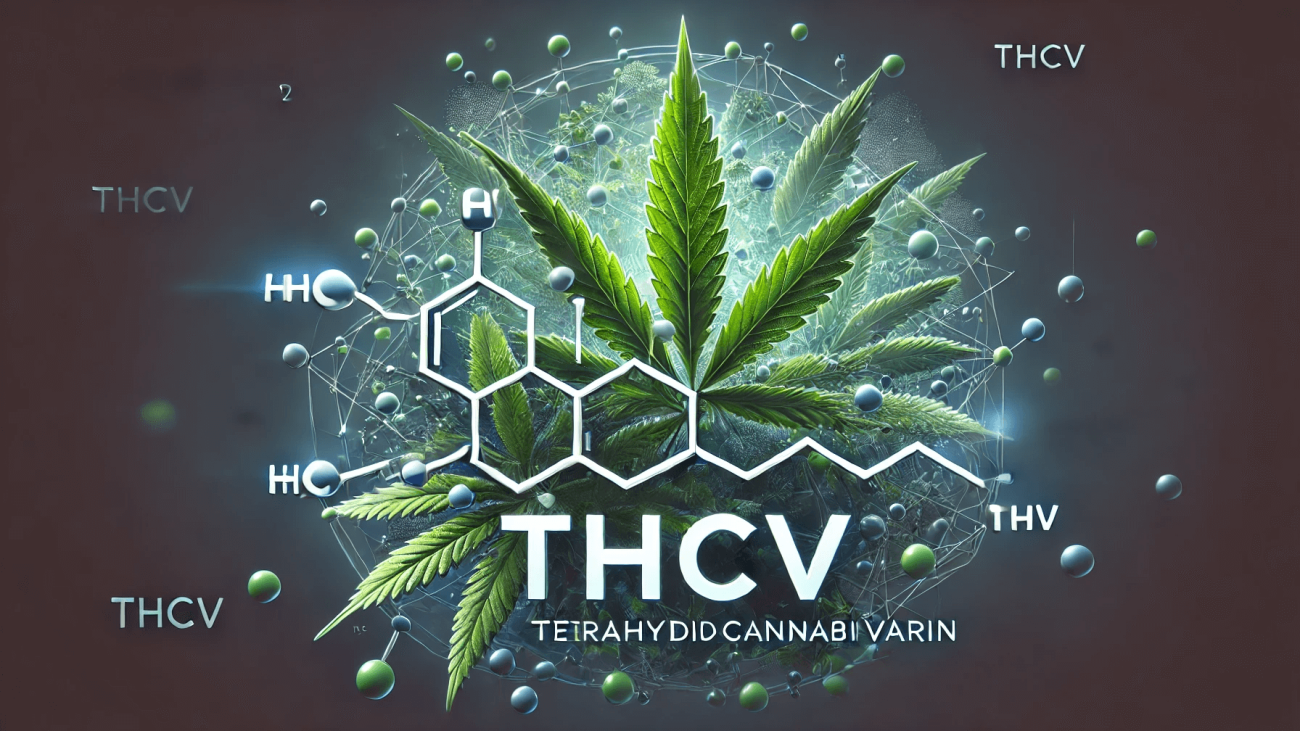
Understanding THCV: Benefits, Effects, and Uses of This Unique Cannabinoid

Understanding THCV: Benefits, Effects, and Uses of This Unique Cannabinoid

Tetrahydrocannabivarin (THCV) is an intriguing cannabinoid that has been gaining attention for its potential health benefits and unique effects. While it shares similarities with tetrahydrocannabinol (Delta 9 THC), its impact on the body and mind is quite different. THCV is commonly found in select cannabis strains and has been studied for its possible applications in weight management, metabolic health, and neuroprotection.

In this article, we’ll explore what THCV is, how it works, its potential benefits, and how it differs from other cannabinoids.

What is THCV?

THCV is a naturally occurring cannabinoid found in cannabis plants, particularly in African sativa strains. It has a slightly different molecular structure compared to Delta 9 THC, which contributes to its distinct effects. Unlike Delta 9 THC, which is known for its strong psychoactive properties, THCV has been found to act differently at various doses. At low doses, it can counteract Delta 9 THC’s intoxicating effects, while at higher doses, it may produce a mild, clear-headed euphoria.

THCV is synthesized in the cannabis plant through the same biosynthetic pathway as other cannabinoids but starts with divarinolic acid instead of olivetolic acid, leading to its shorter three-carbon side chain.

How Does THCV Work?

THCV interacts with the body’s endocannabinoid system (ECS), which regulates numerous physiological processes such as mood, appetite, pain sensation, and metabolism. THCV primarily affects the CB1 and CB2 receptors in the ECS:

  • CB1 receptor: Found mostly in the brain and central nervous system, this receptor is responsible for THC’s psychoactive effects. THCV can act as an antagonist to CB1 at lower doses, meaning it may suppress appetite and reduce THC’s psychoactivity.
  • CB2 receptor: Found in immune cells and peripheral organs, this receptor is involved in inflammation and pain modulation. THCV interacts with CB2, which could contribute to its potential anti-inflammatory benefits.

Potential Benefits of THCV

THCV has been the focus of research due to its promising effects on various health conditions. Here are some of the key areas where THCV may offer benefits:

1. Appetite Suppression and Weight Loss

Unlike Delta 9 THC and Delta 8 THC, which are well known for stimulating hunger (the “munchies”), THCV may have appetite-suppressing properties. Studies suggest that THCV acts as a CB1 antagonist, meaning it can help reduce food intake and support weight loss efforts. This makes THCV a potential tool for individuals managing obesity or seeking to control their eating habits.

2. Blood Sugar Regulation and Diabetes Management

Research has shown that THCV may improve insulin sensitivity and help regulate blood sugar levels. A study published in Diabetes Care found that THCV could be beneficial for people with type 2 diabetes by improving pancreatic function and reducing glucose intolerance. This makes it a promising cannabinoid for metabolic health.

3. Neuroprotective Effects

THCV has shown potential in protecting brain cells from damage, making it a candidate for treating neurodegenerative diseases such as Parkinson’s and Alzheimer’s. Animal studies suggest that THCV may help reduce tremors, improve motor control, and protect neurons from oxidative stress.

4. Anti-Inflammatory and Pain Relief

THCV has demonstrated anti-inflammatory properties that could make it useful for conditions like arthritis and multiple sclerosis. By interacting with CB2 receptors, THCV may help reduce inflammation and provide pain relief without the sedative effects commonly associated with THC.

5. Bone Health and Growth

Preliminary research indicates that THCV may stimulate bone growth, making it a potential treatment for osteoporosis or bone fractures. This effect is thought to be due to its interaction with cannabinoid receptors that influence bone formation.

6. Potential for Anxiety and PTSD Treatment

THCV has been studied for its effects on anxiety and stress-related disorders. Some reports suggest that it may help regulate emotional responses and reduce panic attacks, making it a potential treatment for PTSD and anxiety disorders. Unlike Delta 9 THC, which can sometimes increase anxiety in certain individuals, THCV may have more stabilizing effects on mood.

THCV vs. THC: What’s the Difference?

While THCV and THC share some similarities, their effects on the body and brain differ significantly:

FeatureTHCVDelta 9 THC
PsychoactivityMild at high dosesStrong psychoactive effects
Appetite EffectsSuppresses appetiteIncreases appetite
Energy & FocusIncreases alertness and energyCan cause relaxation or drowsiness
Therapeutic PotentialMay help with diabetes, obesity, and neuroprotectionUsed for pain relief, nausea, and relaxation

Best Strains High in THCV

If you’re interested in trying THCV, some cannabis strains naturally contain higher levels of this cannabinoid. These include:

  • Durban Poison – A pure sativa known for its uplifting effects and relatively high THCV content.
  • Doug’s Varin – Specifically bred for its high THCV levels and clear-headed effects.
  • Jack the Ripper – A potent sativa-dominant strain with energizing effects.

How to Consume THCV

THCV can be consumed in various forms, including:

  • Smoking/Vaping: Some cannabis strains naturally contain THCV, and vaporizing at a higher temperature (above 428°F/220°C) can optimize THCV extraction.
  • Edibles and Tinctures: Some cannabis companies produce THCV-rich products like tinctures and edibles, though they are less common than THC and CBD products.
  • Concentrates: Some cannabis extracts and oils contain higher levels of THCV, providing a more potent dose.

Is THCV Legal?

The legal status of THCV varies by location. In the United States, THCV derived from hemp (containing less than 0.3% THC) is legal under the 2018 Farm Bill. However, cannabis-derived THCV falls under federal cannabis prohibition, making its legality dependent on state laws. Always check local regulations before purchasing or consuming THCV products.

Final Thoughts

THCV is an exciting cannabinoid with a range of potential health benefits, from appetite suppression and blood sugar regulation to neuroprotection and anti-inflammatory effects. While research is still in its early stages, THCV shows great promise for medical and wellness applications. If you’re interested in trying THCV, look for strains known to contain higher amounts or explore emerging THCV-specific products in the market.


THCV FAQ’s

Does THCV get you high?

At low doses, THCV does not produce intoxicating effects. However, at higher doses, it may create a mild, clear-headed euphoria.

How can I find cannabis strains high in THCV?

Strains like Durban Poison, Doug’s Varin, and Jack the Ripper are known to contain higher levels of THCV.

Is THCV safe to use?

THCV appears to have a good safety profile, but more research is needed to fully understand its long-term effects.

Can THCV help with weight loss?

Studies suggest that THCV may suppress appetite and aid in weight management by acting as a CB1 receptor antagonist.

f490e947-3ed1-4ab9-a066-7b0623dae87c

THCV: Nature’s Answer to Weight Loss and Focus Enhancement

In recent years, THCV (tetrahydrocannabivarin) has garnered considerable attention in the wellness industry for its unique health benefits. Often referred to as the “Hempzempic” due to its potential for weight loss like the popular drug Ozempic. The THC-V cannabinoid differs significantly from its more famous cousin, Delta 9 THC. While THC is known for its psychoactive effects and ability to stimulate appetite, THCV has been shown to work in the opposite direction, suppressing appetite and helping users achieve a more focused and energized state. But what exactly is THCV, and how does it work to support weight loss and cognitive enhancement? Let’s discover THCV: Nature’s Answer to Weight Loss and Focus Enhancement

THCV, like other cannabinoids, is derived from the cannabis plant. However, it is found in smaller concentrations compared to more popular cannabinoids such as CBD and Delta 9 THC. This minor cannabinoid interacts with the body’s endocannabinoid system (ECS) in ways that are distinct from Delta 9 THC, particularly in its ability to regulate appetite. Studies have suggested that THCV may act as an antagonist to the CB1 receptor, which is linked to hunger stimulation. As a result, THCV can help reduce food cravings, making it an attractive option for those looking to manage their weight. In this sense, THCV has been likened to medications that regulate metabolic function, thus earning it the playful moniker “Hempzempic.”

Another key benefit of THCV is its potential to enhance focus and energy levels. While many cannabinoids are associated with relaxation and sedation, THCV stands out for its ability to promote alertness and mental clarity. This makes it a promising supplement for individuals struggling with ADHD or other cognitive challenges. The non-intoxicating nature of THCV also adds to its appeal, as users can experience improved focus without the psychoactive effects commonly associated with cannabis products. In combination with CBD or THC, THCV can offer a balanced and nuanced experience, especially for those seeking specific therapeutic benefits without unwanted side effects.

Beyond weight management and cognitive enhancement, THCV has shown potential in other areas of health and wellness. Some studies suggest that it may aid in blood sugar regulation, offering potential benefits for individuals with type 2 diabetes. Additionally, THCV’s anti-inflammatory properties have attracted interest in its role in managing chronic pain and other inflammatory conditions. While research is still ongoing, these preliminary findings suggest that THCV may offer a wide range of therapeutic benefits, positioning it as a versatile cannabinoid in the wellness space.

However, like any supplement, it’s important to approach THCV with caution, especially for long-term use. While early research and anecdotal evidence support its benefits, more studies are needed to fully understand its long-term effects and interactions with other medications. Individuals interested in incorporating THCV into their wellness routine should consult with a healthcare professional, particularly if they have underlying health conditions or are taking prescription medications. This step ensures that THCV is used safely and effectively.

In conclusion, THCV represents a fascinating development in the world of cannabinoids, offering unique benefits for weight loss, focus, and overall well-being. Its appetite-suppressing properties, combined with its ability to enhance cognitive function, make it a standout option for those seeking natural alternatives to traditional weight loss or ADHD treatments. As research continues to uncover more about this powerful cannabinoid, THCV’s role in health and wellness is likely to grow. However, as with any new supplement, it’s essential to proceed with caution and seek professional advice to ensure the best possible outcomes.

What is THCV and how does it differ from Delta 9 THC?

THCV, or tetrahydrocannabivarin, is a cannabinoid found in cannabis that has different effects compared to THC. While Delta 9 THC stimulates appetite and causes psychoactive effects, THCV is known for suppressing hunger and enhancing focus without causing a high at lower doses.

Can THCV help with weight loss?

Yes, research suggests that THCV may help suppress appetite, making it useful for weight management. It’s often called the “Hempzempic” for its potential in reducing food cravings and supporting metabolism.

Does THCV have psychoactive effects like Delta 9 THC?

THCV is not psychoactive at lower doses, meaning it won’t produce a high like Delta 9 THC. However, in higher doses, it may have mild psychoactive effects, but these are generally less intense than those caused by Delta 9 THC.

Is THCV legal, and how can I use it safely?

THCV’s is legal in all 50 states according to the 2018 Farm Bill classification of Industrial Hemp. Always check your local regulations and consult a healthcare professional before using THCV, especially if you have pre-existing conditions or take medications.

For more information about cannabinoids like THCV, THCA, Delta 9 THC, Delta 8 THC, THC-O, and their benefits, read more on our blog here.

The 2018 Farm Bill: Opening the Floodgates for Legal Cannabis

The 2018 Farm Bill: Opening the Floodgates for Legal Cannabis

In recent years, a seismic shift has taken place in the landscape of cannabis legislation. The passing of the 2018 Farm Bill marked a watershed moment for the legal cannabis industry, setting off a chain reaction that reverberated across the nation and beyond. This landmark legislation, officially titled the Agricultural Improvement Act of 2018, not only transformed the agricultural sector but also paved the way for the widespread acceptance and legalization of hemp-derived cannabis products and laid the foundation for a rapidly expanding market. Let’s explore The 2018 Farm Bill: Opening the Floodgates for Legal Cannabis.

The Dawn of a New Era

With the ink barely dry, the 2018 Farm Bill introduced a sweeping transformation in the legal status of cannabis. The bill, signed into law on December 20, 2018, by then-President Donald Trump, brought a significant shift in the perception of cannabis-derived products. While the bill did not legalize recreational marijuana use at the federal level, it did open the floodgates for hemp cultivation and the production of cannabinoid-infused products.

Hemp: From Prohibition to Prosperity

One of the pivotal changes brought about by the 2018 Farm Bill was the reclassification of hemp as an agricultural commodity. Hemp, previously grouped alongside marijuana as a controlled substance under the Controlled Substances Act, was finally recognized for its industrial and economic potential. This reclassification removed the legal barriers that had hindered hemp cultivation for decades, leading to a surge in hemp farming across the United States.

CBD and Delta 9 THC: The Rising Stars of the Cannabis Industry

Central to the post-Farm Bill landscape is cannabidiol, better known as CBD. This non-psychoactive compound found abundantly in hemp gained newfound legitimacy with the bill’s passage. The Farm Bill explicitly differentiated hemp from marijuana by defining hemp as cannabis containing no more than 0.3% THC, the psychoactive component responsible for the “high” associated with marijuana. This distinction effectively separated CBD-rich hemp from its intoxicating counterpart, allowing for the production and sale of CBD-infused products. This classification also allows for other items to be defined as legitimately marketed such as Delta 8 THC, Delta 9 THC, Delta 10 THC, THC-O, HHC, THC-V, THCA, and others.

Economic Impacts and Market Expansion

The 2018 Farm Bill set in motion an economic ripple effect that extended far beyond the agricultural sector. With hemp cultivation legalized, farmers found themselves with a versatile and potentially lucrative crop. The demand for legalized cannabis products, ranging from oils and tinctures to edibles and skincare, skyrocketed. This demand, in turn, spurred the growth of a diverse industry, from manufacturers and retailers to researchers and innovators.

Regulatory Challenges and Opportunities

While the Farm Bill was a transformative step towards the normalization of cannabis, it was by no means a carte blanche for unrestricted growth. The legislation left room for states to impose their regulations and restrictions on hemp cultivation and cannabis products. This patchwork of regulations created both challenges and opportunities for businesses and consumers navigating the evolving legal landscape.

The Road Ahead: Navigating the Green Wave

In the wake of the 2018 Farm Bill, the legal cannabis industry embarked on an unprecedented journey of expansion and exploration. As the market continues to evolve, businesses, entrepreneurs, and investors find themselves at the intersection of innovation and regulation. The Farm Bill’s legacy has ignited a profound change in public perception, pushing the boundaries of what was once considered taboo.

Conclusion

The passage of the 2018 Farm Bill undeniably marked a turning point in the history of cannabis legislation. With its forward-thinking approach, the bill opened doors to the legal cultivation of hemp and the widespread availability of CBD products. The economic impact and societal shifts brought about by the bill continue to reverberate through various industries, reshaping narratives and creating opportunities.

What does THC-V feel like?

What does THC-V feel like?

What does THC-V feel like? Tetrahydrocannabivarin (THC-V) is a minor cannabinoid found in the Cannabis plant. It is a structural analog of THC, the psychoactive compound in Cannabis that is responsible for many of the plant’s effects on the body. THC-V has a similar chemical structure to Delta 9 THC, but it has a few key differences that may affect its effects on the body.

One of the main differences between THC-V and Delta 9 THC is that THC-V is less psychoactive than THC. This means that it is less likely to produce the “high” or psychoactive effects that are associated with THC. In fact, THC-V may actually counter some of the psychoactive effects of Delta 9 THC. This could potentially make THC-V an attractive option for people who want to use Cannabis for medicinal purposes without experiencing the psychoactive effects.

THC-V has also been shown to have anti-inflammatory effects, which could make it useful for reducing inflammation in the body. Inflammation is a normal immune response to injury or infection, but chronic inflammation can contribute to the development of various diseases and conditions, such as heart disease and cancer. Therefore, reducing inflammation may be beneficial for overall health.

In addition to its anti-inflammatory effects, THC-V has also been shown to have anti-anxiety and anti-depressant effects. It may be able to reduce anxiety and improve mood in some people. This could potentially make THC-V useful for treating anxiety and depression, although more research is needed to confirm these effects.

Overall, THC-V is a minor cannabinoid found in Cannabis that appears to have a number of potential medicinal uses. It is less psychoactive than THC, has anti-inflammatory and anti-anxiety effects, and may also have anti-depressant effects. However, more research is needed to fully understand the effects of THC-V on the body and to determine its potential therapeutic uses.